
Oligozoospermia
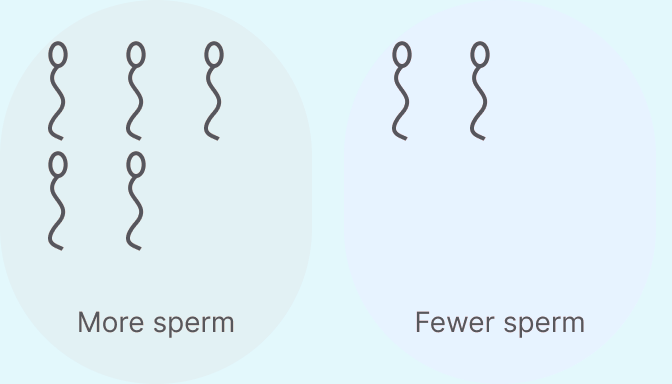
Count
How many sperm are present.
Teratozoospermia
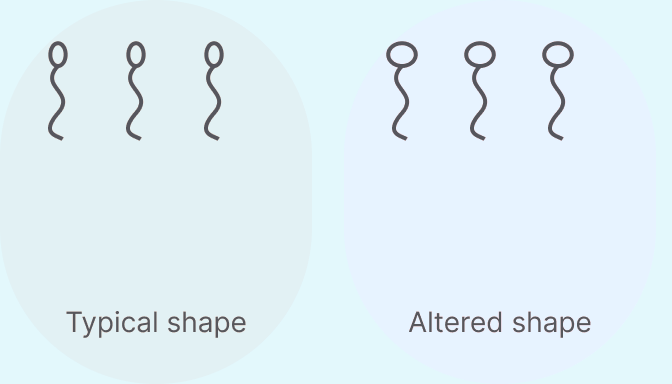
Form
The shape and structure of sperm.
Asthenozoospermia
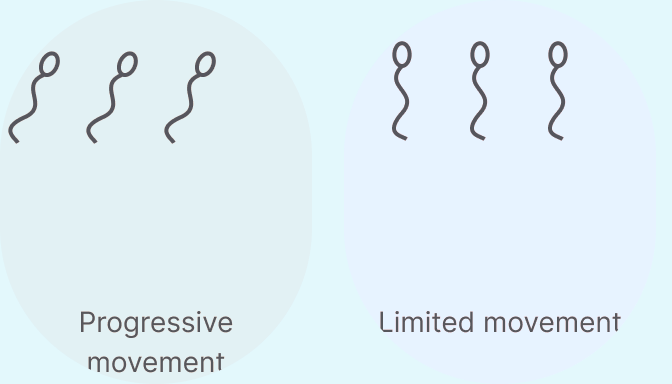
Motility
How well sperm move.
Illustrative examples only, not diagnostic thresholds.
Understand the factors that can affect conception and the steps you can take next.

Fertility involves both partners. In men, difficulties can relate to sperm production, movement, shape or the delivery of sperm. Understanding these factors is a useful first step towards appropriate care.
A semen analysis looks at several aspects of sperm health, including the following three parameters.
Oligozoospermia
How many sperm are present.
Teratozoospermia
The shape and structure of sperm.
Asthenozoospermia
How well sperm move.
Illustrative examples only, not diagnostic thresholds.
Potential causes include hormonal or genetic conditions, testicular problems, infections and some medical treatments. Sometimes the cause remains unexplained.
A healthcare professional can help you understand which factors may be relevant.
There may be no obvious symptoms. Difficulty conceiving can be the first reason to seek advice. Changes in sexual function, or persistent testicular discomfort or swelling, should also be discussed with a doctor.
See your GP if you have been trying to conceive for a year, or after six months if your partner is 36 or over. Seek advice sooner if you have a known fertility concern.
Your GP can explain which tests may be appropriate.
Stopping smoking, reducing alcohol intake and avoiding anabolic steroids are practical steps. A healthcare professional can review your health, medicines and individual circumstances.
Supplements complement a varied diet; they do not replace fertility assessment or treatment.

Explore the full formula and directions for use.
View Miofolic MENAsk your healthcare professional whether supplementation is appropriate for you.